

In this technological age, having a strong online presence is crucial for any business, and the journey to build an effective website begins with choosing the right website designer. With a plethora of options at your disposal, it may feel overwhelming to sort through the multitude of designers to discover one that matches your vision and objectives. An effective website is about more than just aesthetics; it should be user-friendly, mobile-responsive, and SEO-friendly. This article intends to help you in understanding the essential stages of selecting a website designer, from recognizing important qualities to seek in a designer to understanding warning signs that could mean problems ahead.
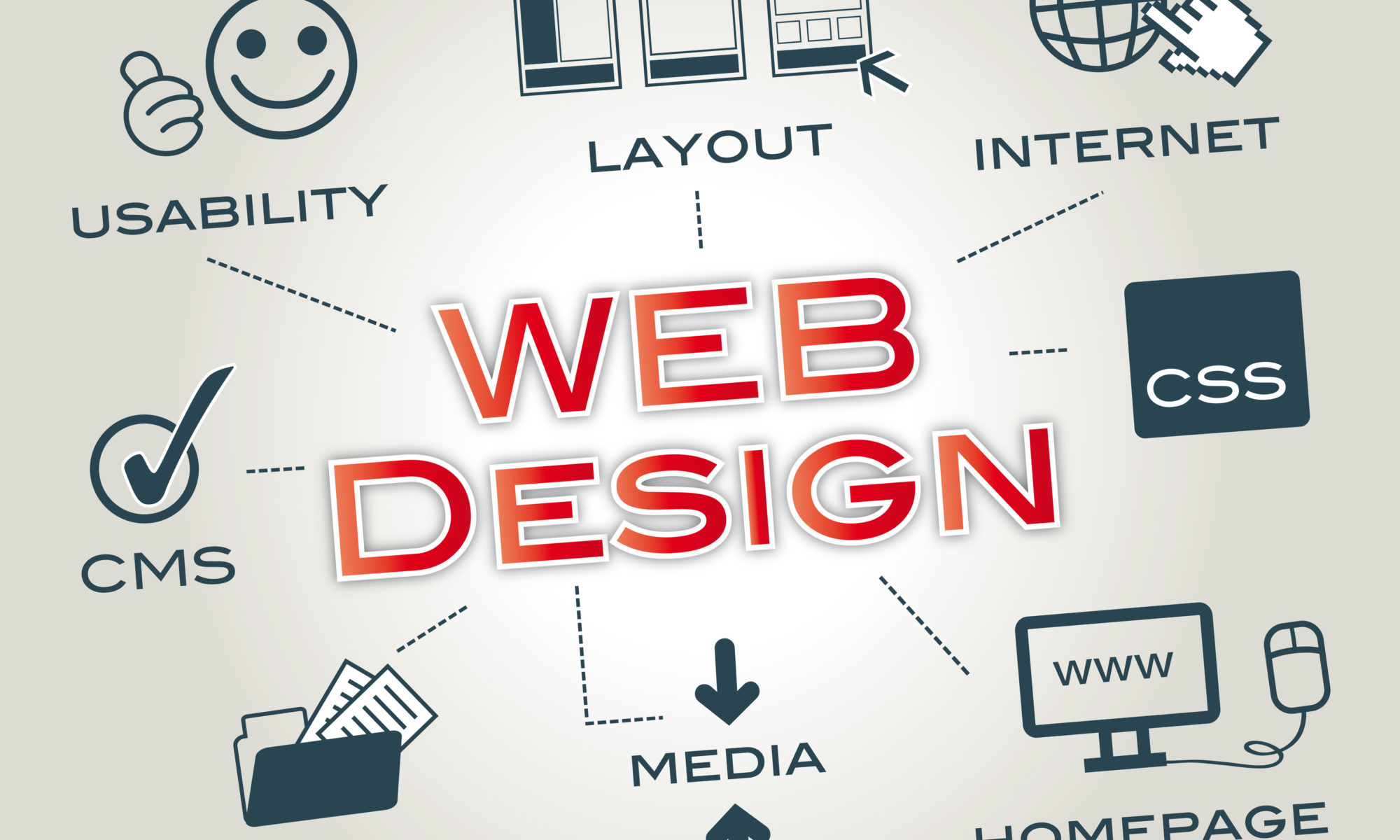
As you embark on selecting a designer, it's essential to consider not only their technical skills but also their ability to understand your brand identity and provide a custom design that fulfills your particular needs. Whether you're weighing the options of custom coding versus templates or thinking about adding e-commerce features, the decisions you take will affect your website's performance and overall success. By utilizing our advice, you will be equipped to manage the intricacies of web design and ensure you find a professional who can bring your vision to life while emphasizing user experience, accessibility, and long-term growth.
Choosing the Ideal Website Creator
Locating the suitable website creator for your business can significantly affect your digital presence and overall success. Begin by identifying your particular needs and goals. Consider useful reference like the objective of your site, your intended audience, and the features you need. This first step will lead you in selecting a developer who comprehends your vision and can tailor their offerings accordingly.
Subsequently, review developers based on essential traits that demonstrate expertise and skill. Search for a developer with a impressive portfolio that showcases their versatility and ability to create functional, attractive websites. Additionally, consider their familiarity of UX principles and responsiveness, making sure that they can deliver a website that works well on all platforms. A designer's familiarity with SEO techniques is also crucial, as a well-optimized site can attract traffic and boost visibility.
In conclusion, it’s important to have clear communication with potential developers. Ensure they comprehend your brand image and vision. During introductory consultations, pay attention to how they listen to your ideas and how eager they are to provide feedback and suggestions. Clear communication will establish the foundation for your partnership, so select a designer who is friendly and responsive to your input throughout the development process.
Evaluating Website Designer Skillset
While selecting a website designer for your assignment, evaluating their qualifications is important to make sure they can satisfy your particular demands. Start by looking at their collection of designs, which should highlight a diversity of work that demonstrates their abilities and design style. Look for click now in their projects, including different industries and types of sites. A robust portfolio demonstrates their ability to adjust and create according to each patron's unique requirements.
Furthermore, it's crucial to evaluate their expert skills and knowledge of current design trends. A professional web designer should be proficient in multiple design tools and languages, such as HTML, Cascading Style Sheets, and JS, along with experience in using CMS. Additionally, question about their method to responsive design and search engine optimization, as these components are vital for a successful digital footprint. Web designers who remain informed with the latest trends are well equipped to create contemporary, usable designs.
Lastly, consider their ability to communicate and grasp of your company identity. A competent designer should not only implement designs efficiently but also partner with you to bring your ideas to life. During your first discussions, pay attention to how well they listen to your ideas and how they express their design rationale. This communication can give you clues into their working style and how they manage client interactions, which is essential for a successful collaboration.
Understanding Creative Patterns and Requirements
Remaining informed about the newest web design styles is essential for all online designer. This includes grasping popular visual styles, such as minimal designs, bold typography, and vibrant color schemes. Customers expect designers to present new ideas to the table, matching with contemporary trends that appeal to intended audiences. Thus, a designer who is not only aware of but intentionally integrates these patterns into their work will have a distinct edge.
It's just as crucial for a website designer to recognize the specific needs of a business. Each business has individual goals, intended demographics, and brand identities that ought to shape the design process. A good designer will make the effort to grasp these aspects and tailor their approach as needed. This customized attention secures the final product aligns with the intended group while satisfying business targets.
Reconciling design trends with user requirements is vital for developing an effective web presence. Designers must prioritize usability, guaranteeing smooth navigation and an optimal user experience. Features like tablet compatibility and quick loading times must not be ignored. By marrying current design practices with fundamental usability principles, designers can build websites that not only look great but also function well in drawing and holding visitors.