

In today's digital landscape, having a remarkable portfolio is crucial for website designers aiming to draw in clients and exhibit their skills. Since businesses continue to acknowledge the importance of a powerful online presence, choosing the appropriate web designer can make all the difference in transforming a vision into reality. Whether he has a good point are a small business owner or a marketing manager at a larger company, finding a designer who grasp your needs and can translate them into an effective website is essential.
This guide will walk you throughout the important considerations for choosing a professional web designer, including assessing portfolios and grasping pricing to identifying red flags during the hiring process. This document will cover the key attributes that allow a designer to differentiate themselves and highlight the latest web design trends to ensure your website remains modern and user-friendly. By the end of this guide, you will be armed with the knowledge needed to discover a web designer who not only fulfills your expectations but also lifts your brand to new heights.
Selecting the Right Design Professional
Choosing the best website designer is a important factor in establishing a strong digital presence for your brand. Start by reviewing the designer’s collection of work, searching for examples that resonate with your identity and show their ability to develop attractive and functional sites. A robust portfolio displays not only visual skills but also an appreciation of diverse sectors and client requirements.
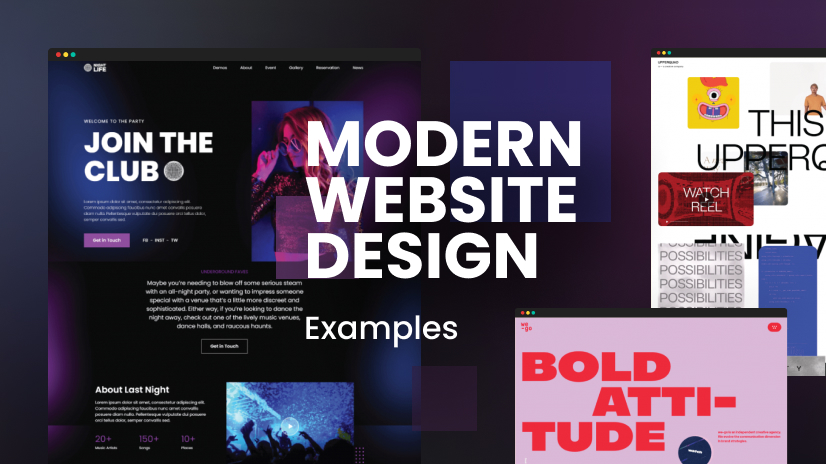
An additional key consideration to think about is the web designer’s approach to UX and mobile responsiveness. A skilled designer focuses on user experience by ensuring that the site is easy to use and navigable, which improves user engagement and user retention. In today’s mobile-driven world, having a adaptive design that appears appealing on all screens is essential. Ensure the designer is well-versed in the newest trends in web design and methods to efficiently accommodate both laptop and mobile users.
Finally, communication is crucial in the client-designer partnership. Choose someone who grasps your vision, pays attention to your feedback, and maintains transparency throughout the process. Effective collaboration can have a major effect on the caliber of the completed work, so seek a design professional who appreciates open dialogue and is dedicated to providing on time and on budget. Setting clear expectations from the start can assist promote a fruitful partnership.
Assessing Layout Alternatives
When evaluating design options for your online presence, one of the initial choices to make is between custom and pre-designed designs. Custom layouts provide a one-of-a-kind appearance adapted to your company's image but can be costlier and time-consuming. In contrast, pre-designed designs offer a quicker and often budget-friendly option, allowing for basic customization while leveraging established designs. It’s important to take into account your objectives and budget to determine which choice aligns best with your demands.
Additionally, evaluating a designer’s portfolio is essential in this assessment phase. Search for projects that demonstrate versatility and creativity, and observe the specific industries they have engaged in. This information can suggest how efficiently they can adjust to your particular sector and expectations. Be sure to assess their past designs for user experience and aesthetic appeal, making sure that it connects with your target market.
Ultimately, another important factor to evaluate when reviewing creative choices is whether the designer stays current on modern web design practices. A innovative designer will be knowledgeable of the current techniques and advancements, which can improve your website’s functionality and appeal. This includes being familiar with mobile responsiveness, SEO strategies, and user experience standards. Making sure that your designer remains informed on these trends will contribute to your site’s long-term achievements and relevance in the digital landscape.
Ensuring Excellence and Support
As you selecting a website designer, it’s essential to ensure they offer ongoing support and maintenance. A professional web designer understands that deploying the site is just the first step. They should provide a plan for upgrades, safety checks, and troubleshooting after the site goes live. Query about their maintenance offerings and how swiftly they respond to support requests. This continuous partnership is essential for keeping your website running and safe.
Additionally, consider the importance of client reviews and reviews when evaluating a designer’s trustworthiness. A good designer should have a collection that highlights their past work, supported by client feedback that addresses to their reliability and standard of service. Look for case studies detailing project obstacles and results, which can provide insight into how the designer approaches problem-solving and customer collaboration.
Lastly, ensure that the designer recognizes the importance of growing for your company. As your business grows, your website will need to evolve and shift. A skilled designer will not only focus on current needs but also prepare for future functionalities and design aspects. Request how they would handle growing the site and integrating new features down the line, which is crucial for sustained success.